Containment and protection
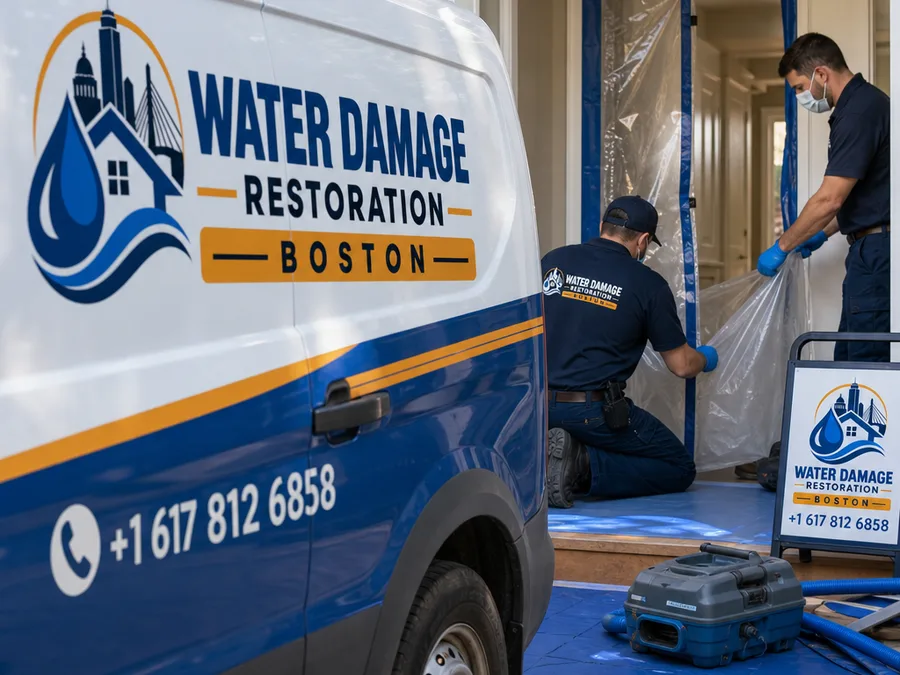
We isolate affected areas to limit cross-contamination and protect occupied spaces, then set equipment and airflow patterns that dry without pushing moisture deeper into materials.
Serving Boston, Massachusetts & surrounding areas
Water Damage Restoration · Boston, Massachusetts
When water gets into floors, walls, or ceilings, time matters. Our Boston team contains the damage, dries the structure, and walks you through the next steps with clear updates from start to finish.
Stop the Source, Then Start Drying
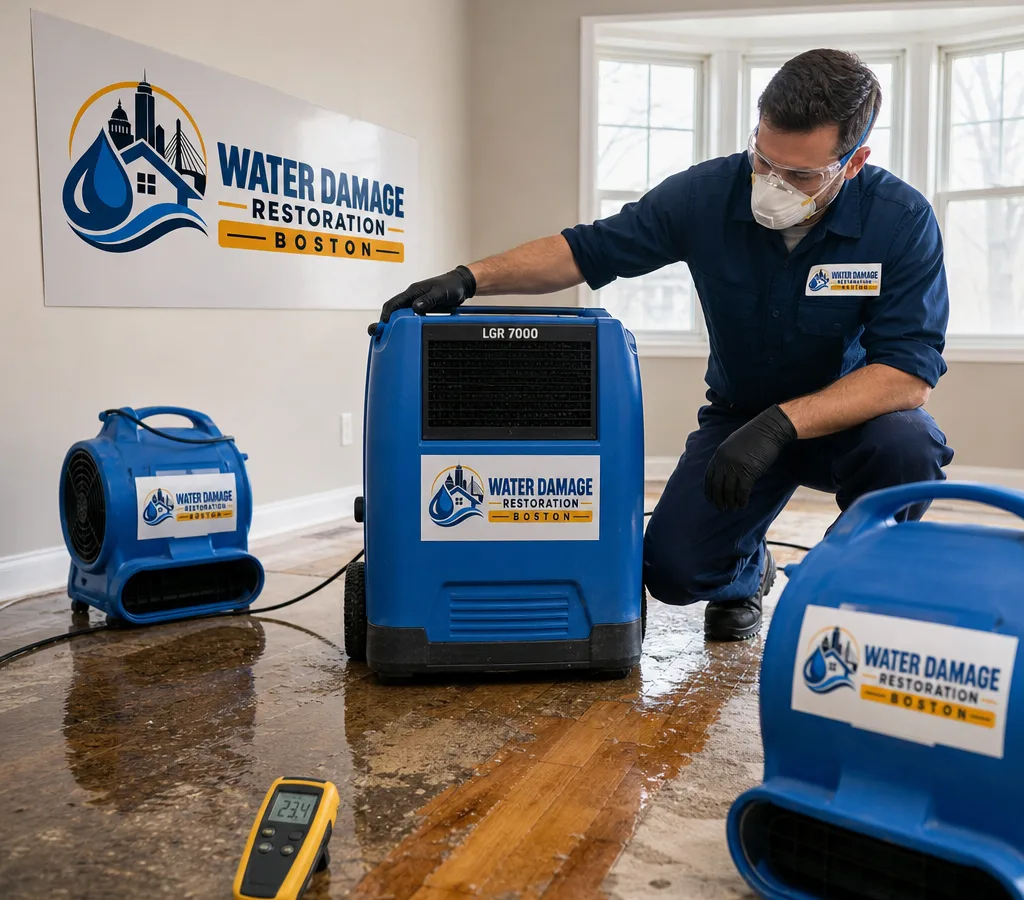
If you are dealing with water damage Boston MA property owners see after a pipe break, appliance leak, roof leak, or overflow, the first goal is simple: stop the water source and prevent it from spreading into building materials. Water can travel under hardwood, wick into drywall, and soak insulation, which is why drying the surface is rarely enough.
Water Damage Restoration Boston provides water damage Boston services throughout Boston, MA, including nearby areas around ZIP 02210. We focus on practical steps that reduce secondary damage: controlled extraction, targeted demolition when materials cannot be dried, and measured structural drying with documentation.
Boston has a lot of older housing stock alongside dense commercial buildings. In condos and multi-family buildings, water can move between units quickly through chases and shared walls. In older homes, plaster, layered flooring, and hidden cavities can make moisture harder to find. Our approach is to locate the wet materials early, isolate affected areas, and dry with the right equipment for the structure.
Controlled Restoration
We isolate affected areas to limit cross-contamination and protect occupied spaces, then set equipment and airflow patterns that dry without pushing moisture deeper into materials.
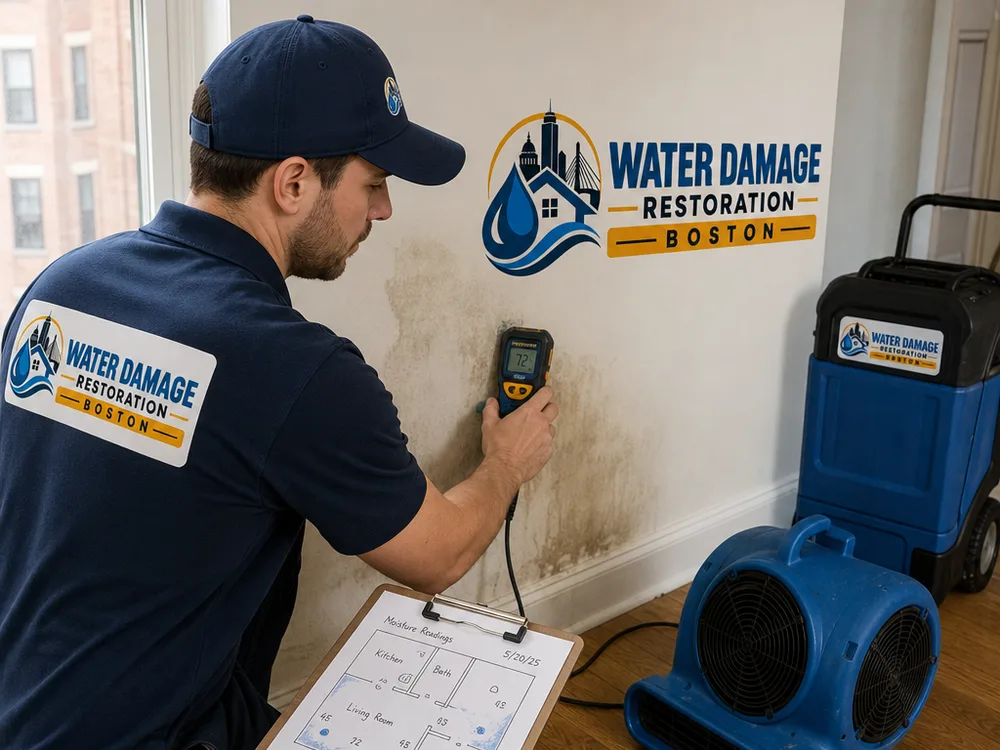
We use moisture meters and thermal imaging where appropriate to identify what is wet behind finishes, then explain what has to be opened up and what can stay.
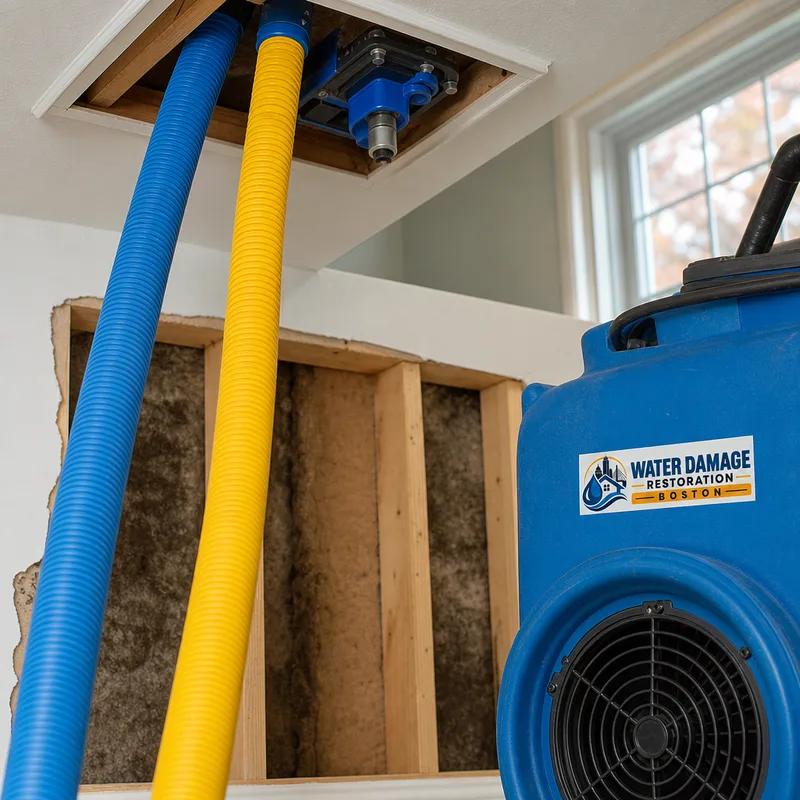
Drying a basement slab, hardwood over subfloor, or a wet ceiling requires different equipment and setup. We choose air movement, dehumidification, and heat based on materials and conditions.
You get a straightforward plan: what we are doing today, what we are monitoring, and what restoration steps typically come next after drying is verified.
When water involves neighbors or multiple floors, we help document the affected areas and coordinate access so drying can happen where it needs to happen.
Assessment and Mitigation
Every loss is different, but the sequence is consistent because it is based on how water behaves in structures.
Immediate stabilization: We confirm the source is stopped, identify electrical and slip hazards, and protect unaffected contents when possible.
Extraction and controlled removal: Standing water is extracted first. If materials are not salvageable—for example, swollen particleboard cabinets, saturated insulation, delaminated drywall, or carpet pad that cannot be dried to standard—we remove only what is necessary to reach and dry the structure.
Structural drying and monitoring: We set air movers, dehumidifiers, and sometimes specialty drying systems such as wall-cavity drying, then track moisture readings over time. Drying is complete when readings confirm materials are back to an acceptable dry standard.
Cleaning and odor control: Water events can leave residues and odors even after drying. As needed, we clean affected surfaces and apply odor-control methods appropriate to the situation.
Restoration planning: Once drying is verified, we outline next steps to put the space back together. We can walk you through the full restoration workflow and what to expect.
Inspection Through Handoff
A measured sequence identifies hidden moisture, stabilizes the loss, dries affected materials, and documents the results.
Request Emergency ServiceWe assess visible damage, check adjacent rooms and lower levels, and create a moisture map so the scope matches what is actually wet, not just what you can see.
We protect flooring and pathways, isolate the work area when needed, and plan equipment placement for effective airflow and dehumidification.
We remove standing water and take out materials that cannot reasonably be dried, then clean up debris so structural drying can begin.
Drying equipment runs while we track moisture content and humidity. Adjustments are made based on readings, not guesses.
We confirm the structure is dry, document the results, and explain the restoration steps to rebuild, repaint, and return the area to normal use.
Planning and Pricing
Water damage restoration in Boston typically ranges from about $1,500 to $8,000+, with small, contained clean-water losses at the low end and multi-room or multi-level losses requiring demolition and extended drying at the high end. A single room that needs extraction and drying is often in the $2,000 to $4,500 range.
Final cost depends on how far water traveled, the materials affected—such as hardwood, plaster, and insulation—equipment days needed, access through tight condo hallways or stairs, and whether cleaning and rebuild work are included. The exact scope and price are confirmed after an on-site inspection and moisture mapping.
Boston Response Conditions
Older flooring assemblies, concealed wall cavities, winter pipe failures, basements, and dense multi-family layouts all require careful access and drying decisions.
Act Before Water Travels Further
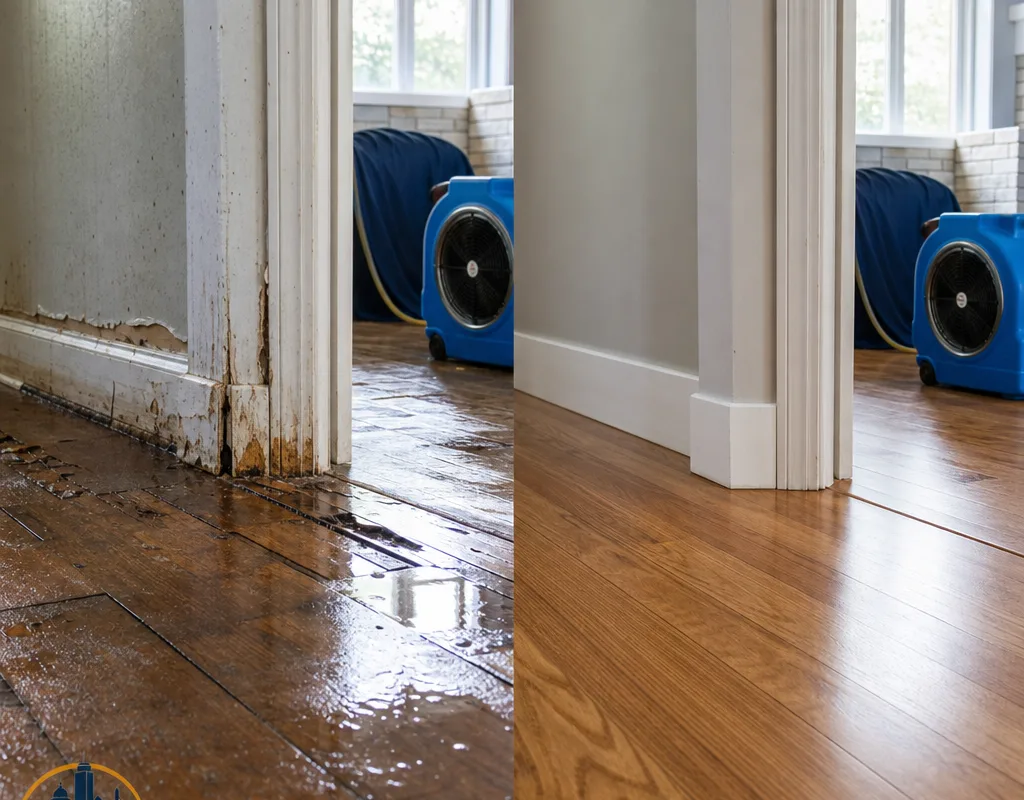
If you have active leaking, wet ceilings, or soaked flooring, getting an on-site assessment early can reduce how much material has to be removed and how long the space stays out of service.
Homeowner Questions
Drying should start as soon as the water source is stopped and the area is safe to enter, ideally the same day. Water can wick into drywall and migrate under finished floors quickly, increasing the chance of swelling, staining, and microbial growth—especially in closed-up Boston condos and multi-family buildings where airflow is limited.
Sometimes. The decision depends on how high and how long materials stayed wet. If the bottom of drywall is saturated, insulation is wet, or moisture is trapped in a wall cavity, controlled removal—such as a flood cut or removing baseboards to open the cavity—is often the most reliable way to dry the structure properly.
Hardwood can sometimes be saved, but it depends on the amount of water, how long it sat, and the floor build-up, including solid versus engineered flooring, underlayment type, and subfloor condition. Early extraction and a proper drying setup can improve the odds, but some floors still require partial replacement if boards cup, buckle, or delaminate.
Stop the source if you can do so safely, avoid running electrical devices in wet areas, and move small valuables and electronics to a dry spot. If water is coming through a ceiling, do not poke around near light fixtures. Photos of affected areas can help with documentation, but do not delay getting the situation assessed.
Yes, we can provide the documentation insurers typically ask for, including moisture readings, drying logs, and a clear scope of what was affected. Coverage depends on your policy and the cause of loss, so we focus on documenting conditions and restoring the property while you confirm claim details with your carrier.
Most structural drying takes about 3 to 5 days, but the total timeline varies based on how many materials were affected and whether rebuild work is included. A small, contained loss may dry in a few days, while a multi-room event with ceiling and wall repairs can take longer once reconstruction scheduling and material lead times are factored in.
Assess, Extract, Dry, Verify
Tell us what happened and what areas are wet. We will assess the damage, outline a drying plan, and provide a clear scope so you can make decisions quickly.